

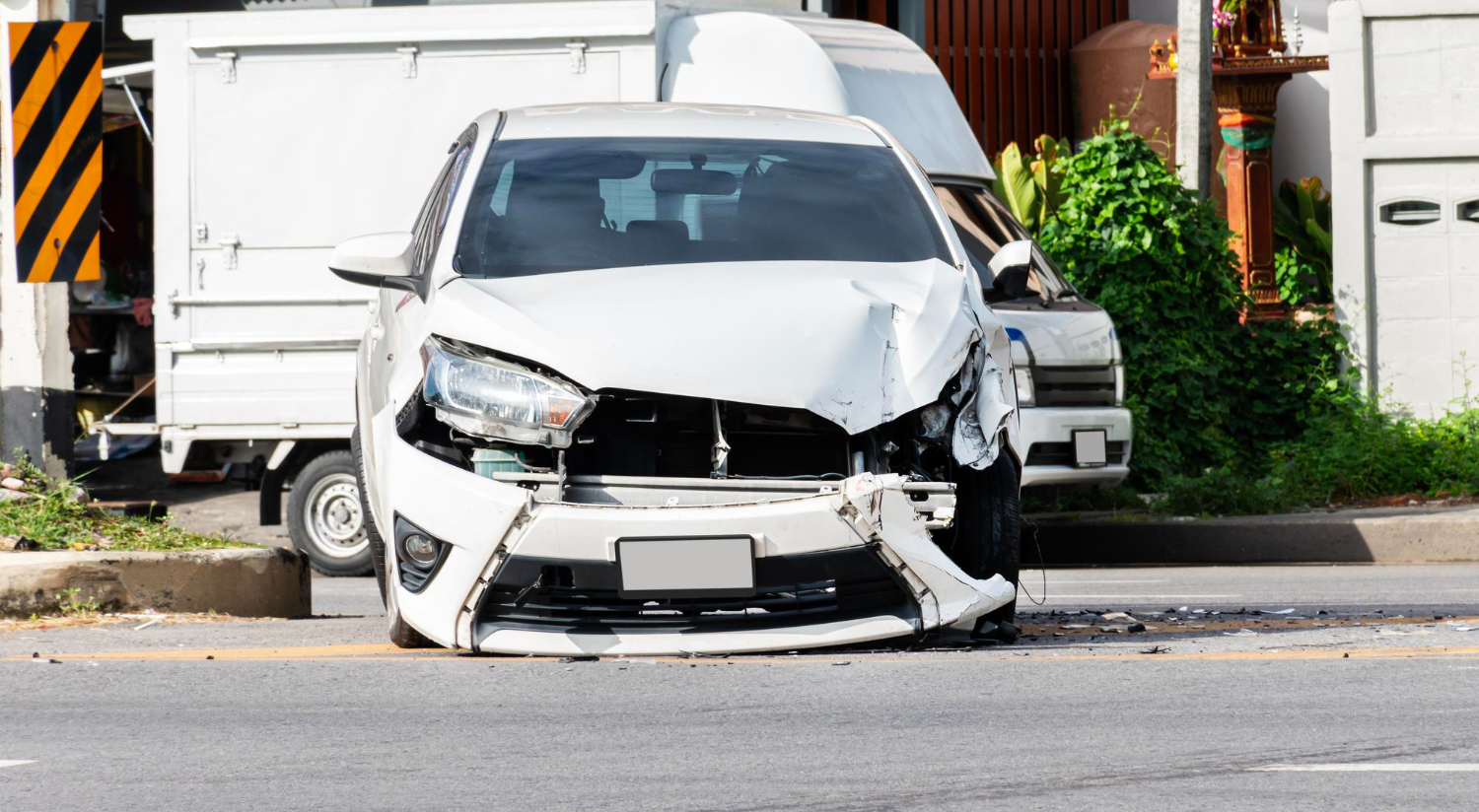
You’re moving through your usual run, working through deliveries and keeping to your schedule, when something changes. Traffic slows suddenly, another driver makes an unexpected move, or a turn doesn’t go as planned.
In a moment, you’re in an accident. The job stops.
Most couriers assume they’ll handle it the same way as any other accident. But once you’re using your vehicle to earn, the situation carries a different set of consequences for your vehicle, your income, and your responsibility as a driver.
Key takeaways:
- Responsibility for an accident usually sits with the driver, even when the work comes through a platform or company.
- Even when you’re not at fault, delays in resolving liability and vehicle repairs can still interrupt your income while the claim is worked through.
- The biggest financial strain after a courier accident usually comes from repair costs, third-party damage, and lost income hitting simultaneously, not just one cost in isolation.
- Many couriers assume their platform or insurer will step in after an accident, but cover arrangements often don’t work the way drivers expect when a claim is actually made.
- Courier insurance needs to cover three things: your vehicle while it’s used for commercial delivery work, your liability to other drivers and property, and your income if an accident puts you off the road.
What happens immediately after an accident
You check for injuries, exchange details with other drivers, and deal with the immediate situation on the road. Depending on the severity, you may need to contact emergency services or report the incident. Even in minor accidents, there are still requirements around documentation and reporting.
Once things settle, a second layer of questions starts to come through. Can you continue working, or is your vehicle off the road? Who do you need to notify beyond the other driver such as your insurer, the company you’re delivering for, or both?
For couriers, the impact doesn’t stop at the scene. It quickly carries into your ability to complete jobs and continue earning that day.
So, who is responsible?
This is where uncertainty starts to build. If you’re working as a courier, particularly as a subcontractor, responsibility usually sits with you rather than the company or platform you’re delivering for.
Even if the work comes through an app or logistics provider, you’re typically operating as an independent driver. That means your vehicle, your actions on the road, and the outcome of the accident are generally your responsibility to manage.
This often comes as a surprise to drivers who assume the platform will step in. In most cases, however, it doesn’t work that way. The responsibility stays with the driver, regardless of where the job originated.
At-fault vs not-at-fault: why it matters
Once responsibility sits with you, the next question is how fault affects what happens next.
If you’re at fault, you’re generally responsible for the full impact of the incident based on damage to your own vehicle, damage to other vehicles or property, and in some cases, legal costs or compensation claims.
If you’re not at fault, the situation can still take time to resolve. Liability needs to be confirmed, insurers need to assess the claim, and repairs may be delayed while everything is worked through. During that time, your ability to work is still affected. Downtime, delays, and lost income don’t wait for fault to be confirmed.
How the costs can build after an accident
Once the fault is established, the financial impact starts to take shape. And in most cases, it’s not just one cost; it’s often several, all happening at the same time.
For example, there’s the cost of repairing or replacing your vehicle, which may involve excess payments or out-of-pocket expenses depending on your cover. If other vehicles or property are involved, those costs can increase quickly.
Then there’s the impact on your income. If your vehicle is off the road, your ability to work stops, but your ongoing expenses don’t. What begins as a single incident can quickly turn into multiple financial pressures.
For most couriers, it’s the combination of repair costs, third-party damage, and lost income that creates the biggest strain. Not the accident itself but the length of time it takes to resolve.
What needs to be in place before an accident happens
By now, the situation is clearer. An accident doesn’t just create damage. It can interrupt your ability to work, sometimes for significantly longer than expected. So the focus turns to what needs to be in place to keep you working if something goes wrong.
In simple terms, it comes down to having a combination of protection that works together:
- Commercial motor vehicle insurance: Covers your vehicle for accidents while it’s being used for delivery work, including damage, theft and liability while driving.
- Liability protection (CTP and public liability): Covers damage to other vehicles, property or injury to third parties, which can quickly become costly after an accident.
- Income protection or personal accident cover: Provides financial support if you’re unable to work due to injury or time off the road.
Together, these ensure your vehicle is insured for how it’s actually used, damage to others is accounted for, and you’re not left without income if you can’t work.
Staying prepared before something goes wrong
It’s easy to assume you’d manage an accident without much issue, until you’re in one. The impact isn’t just the incident itself. It’s how long it takes to resolve, how it affects your ability to work, and what costs continue in the background while you’re off the road.
That’s where the right cover makes a difference. At GSK Insurance Brokers, we work with couriers across Australia to understand how they operate, and where an accident is most likely to affect their business.
If you’re unsure how your current cover would respond, or how long you could realistically manage being off the road, it’s worth reviewing it before you’re in that position.
Get in touch with a courier insurance broker today to make sure your cover supports your work and helps you get back on the road faster.
Frequently asked questions about courier accidents
- Do I need to report an accident to the company or platform I’m delivering for?
In most cases, yes. Even if you’re an independent contractor, platforms or logistics providers often require accidents to be reported, especially if deliveries are delayed or affected. Failing to notify them could impact your ability to continue working or complete jobs.
- What if my vehicle is written off after an accident?
If your vehicle can’t be repaired, you may need to replace it before you can return to work. That can take time, depending on your insurance and financial situation. During that period, your income is typically on hold, which is why having the right level of cover and support in place is important.
- Will I still get paid if I can’t complete deliveries after an accident?
Usually not. Most courier work is paid per job or delivery, so if you’re unable to complete your run, that income is lost. There’s generally no backup pay unless you have specific cover in place to support you.
- Can I keep working if my vehicle is still driveable after an accident?
It depends on the condition of the vehicle. If it’s safe and legally roadworthy, you may be able to continue working. However, some damage may worsen over time or affect compliance, so it’s important to have the vehicle properly assessed before continuing deliveries.